Pressure Washing Multi-Storey Homes: Best Methods and Risks
Maintaining the exterior of a multi-storey home presents unique challenges, particularly across Logan where the humid subtropical climate encourages rapid growth of mould, mildew, and lichen. Double-storey brick homes, elevated Queenslanders, and split-level properties common to suburbs like Shailer Park, Daisy Hill, and Springwood require regular cleaning to preserve structural integrity and street appeal. However, cleaning exterior surfaces well above ground level involves significant hazards and requires specialised equipment to prevent costly damage.

Effective Methods for Washing Multi-Storey Homes
Blasting high-pressure water onto upper-storey surfaces from a ladder is neither safe nor effective. In 2026, modern exterior cleaning practices prioritise techniques that achieve a deep clean from the safety of the ground while protecting delicate construction materials.
1. Soft Washing Technology
Soft washing is the industry standard for cleaning multi-storey residential exteriors. Instead of relying on extreme pressure, this method uses specialised low-pressure nozzles paired with biodegradable cleaning solutions. The solution breaks down organic matter, dirt, and spider webs at the molecular level, allowing surfaces to be rinsed clean with minimal water force. Soft washing protects exterior paint, timber weatherboards, and modern rendered surfaces from erosion.
2. Telescopic Extension Poles and Water-Fed Systems
Modern extension wands allow operators to apply detergents and rinse solutions up to three storeys high without leaving the ground. High-grade carbon-fibre poles provide rigidity and precision, ensuring eaves, fascia boards, and window surrounds receive thorough treatment without the risks associated with scaffolding or ladders.
3. Downstream Chemical Injection
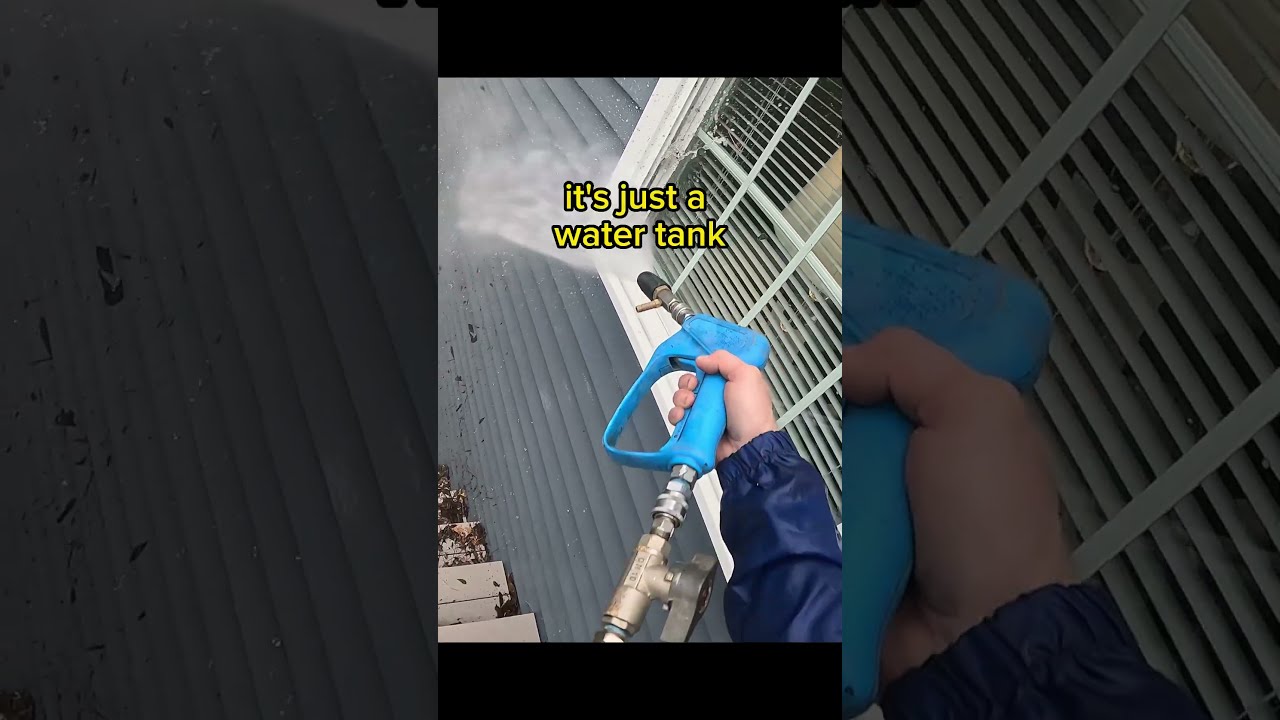
Professional cleaning systems use downstream chemical injectors to mix cleaning agents into the water stream after it exits the pump. This setup allows applicators to spray treatment solutions to heights exceeding eight metres under low pressure, ensuring uniform coverage on upper storeys before a thorough low-pressure rinse.
- Low-pressure chemical application: Kills mould spores deep within porous cladding rather than simply stripping surface stains.
- Dedicated ground-level rinsing: Eliminates fall risks while ensuring uniform water distribution.
- Surfactant dwell times: Allows proprietary solutions to lift grime naturally before gentle rinsing.
- Gutter and eave flushing: Clears out accumulated organic debris that clogs Logan stormwater systems during summer downpours.
Major Risks Involved in Washing at Heights
Tackling multi-storey pressure cleaning without proper planning, training, and equipment introduces serious hazards to both personal safety and property condition.

Fall and Ladder Hazards
Working at height remains one of the primary causes of serious domestic injuries. Operating a high-pressure lance from an unsecured ladder produces https://manueldbgg771.huicopper.com/reviving-weathered-timber-decks-before-staining-and-sealing recoil force that can easily throw an operator off balance. Wet ground, overspray on rungs, and awkward reach angles dramatically increase the likelihood of slips and falls.
Water Ingress and Structural Damage
High-pressure water forced upwards beneath horizontal lap siding, under roof shingles, or around window seals can bypass waterproofing barriers. Trapped moisture inside wall cavities causes hidden structural timber rot, ruins insulation, and breeds hazardous indoor black mould that requires extensive remediation.
Substrate Damage and Etching
Excessive pressure quickly strips exterior paint, etches delicate softwoods, and permanently disfigures acrylic render. Once protective coatings are breached, exterior materials become far more susceptible to Logan's harsh sun and storm seasons.
- Electrical hazards: High-reaching water streams can contact overhead mains lines or unprotected exterior light fixtures.
- Blown window seals: High-pressure blasts degrade the double-glazing rubber seals on modern upper-storey windows, resulting in permanent fogging.
- Landscape damage: Chemical overspray running off roofs and upper storeys can scorch garden beds and lawns if not properly neutralised and diluted.
Logan Environmental Regulations and Runoff Compliance
Homeowners in Logan must remain mindful of local council guidelines regarding stormwater pollution. Under environmental protection standards, wash water containing harsh chemical run-off, dislodged paint chips, or heavy grime cannot be allowed to enter the street gutters and local waterways. Professional exterior cleaners utilise containment berms, surface-wash vacuums, and eco-friendly, neutralising treatments to protect the local environment and prevent regulatory fines.
Choosing Safe Solutions for Your Home
While single-storey pressure washing is often a manageable DIY weekend task, multi-storey washing demands specialised fall-arrest equipment, commercial-grade soft-wash gear, and proper public liability insurance. Hiring fully insured local technicians who understand the specific architectural styles and climate challenges of the Logan region ensures your home is revitalised safely, efficiently, and without the threat of structural moisture damage.
Logan Pressure Cleaning
(07) 3106 8724